Sept. 28, 2026
Bowie State Researchers Lead Study on Bats’ Role in Healthier Plants
Deep in a Costa Rican forest, a bat eats fruit, flies off and, in under 20 minutes, poops. That quick, unglamorous process may hold a key to healthier crops, more resilient forests and a better understanding of how nature keeps itself disease-free.
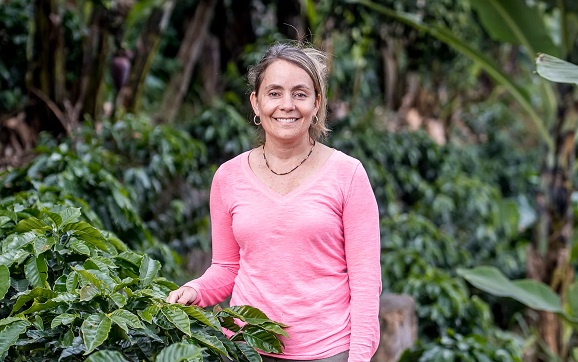
Dr. Priscila Chaverri, a professor of microbiology in Bowie State’s Department of Natural Sciences & Mathematics has spent more than a decade chasing that idea. This summer, backed by a new National Science Foundation (NSF) grant, she led three Bowie State researchers into the Costa Rican tropics to help test it.
Chaverri studies fungi, organisms that can help or harm a plant. Her theory: fruit-eating bats may not just disperse seeds when they fly off and defecate elsewhere. They may also clean them. She was a consultant on a 2014 pilot study that found disease-causing fungi present in fruit the bats ate were gone from their droppings, while some beneficial fungi survived the trip through the bat’s gut. The bat’s digestive system, in other words, appeared to disinfect the seeds, stripping away pathogens while preserving microbes that help the plant. Chaverri calls it an “indirect symbiosis”: a beneficial byproduct of a bat simply doing what it does.
The idea began with a family conversation. Her younger sister, Gloriana Chaverri, is a bat biologist and professor at the University of Costa Rica, and her sibling’s work made Priscila wonder whether the microbes riding along in a bat’s diet mattered too. A shared curiosity between two scientists in different fields grew into a peer-reviewed research question and, eventually, an NSF-funded partnership between the U.S. and Costa Rica.
“This is a bold research question,” Chaverri said of connecting a bat, a plant and, yes, the poop. Asked if her sister is the better scientist of the two, she laughed and said, “Probably.”
The 2014 findings were a clue, not proof, which is where the new NSF grant comes in. This year’s project tests the theory directly: does passing through a bat’s gut make seeds not just cleaner but healthier? This summer, Chaverri and three Bowie State researchers (an undergraduate, a graduate student and a postdoctoral fellow) joined a four-person team from the University of Costa Rica. For three weeks, the team collected roughly 1,000 seeds, some straight from fruit and others recovered from bat droppings. Preliminary results showed that seeds passing through a bat’s gut germinated at nearly 90%, compared with less than 40% germination for seeds that hadn’t. The team will monitor the resulting seedlings for a year, tracking growth, disease and each plant’s microbiome.
The implications of their research extend beyond Costa Rica’s forests. Scientists typically identify probiotics that benefit human health by testing which bacteria improve immunity; Chaverri wants to do the same for plants. She believes the answer may lie in microbes surrounding plants.
“Why are forests healthy and crops are not? There’s a lack of the right beneficial microorganisms in most crops.”
Chaverri’s team could eventually help build “synthetic microbial communities” that could be applied to crops like black pepper or coffee plants to boost their health, much as probiotics support the human gut.
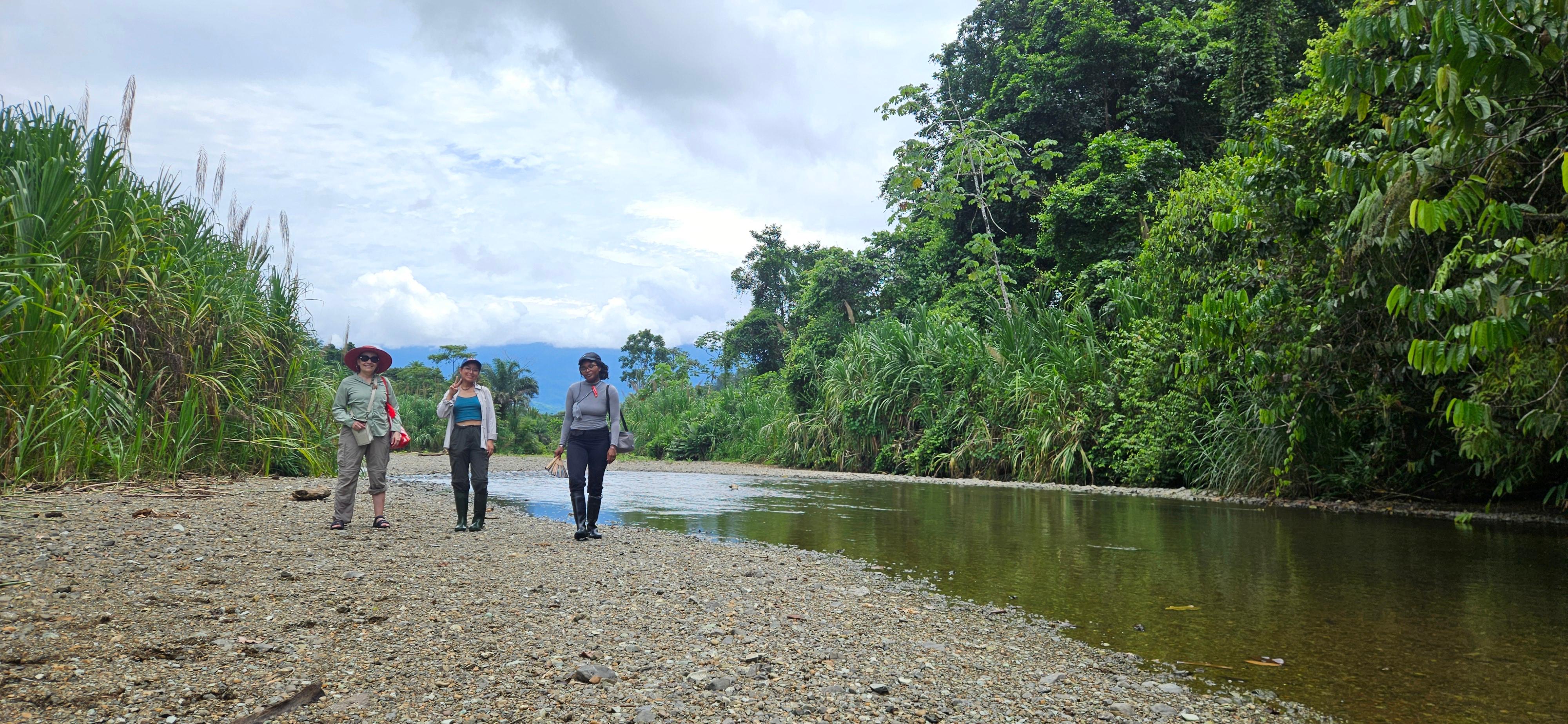
But before those possibilities can reach a coffee field or pepper farm, the research starts on the ground and in the forest. The three weeks in Costa Rica operated on two shifts. A “plant team,” including Chaverri, spent days tracking down fruiting trees, sometimes hiking miles into the forest or wading shallow rivers in rubber boots to reach fruit along the banks.
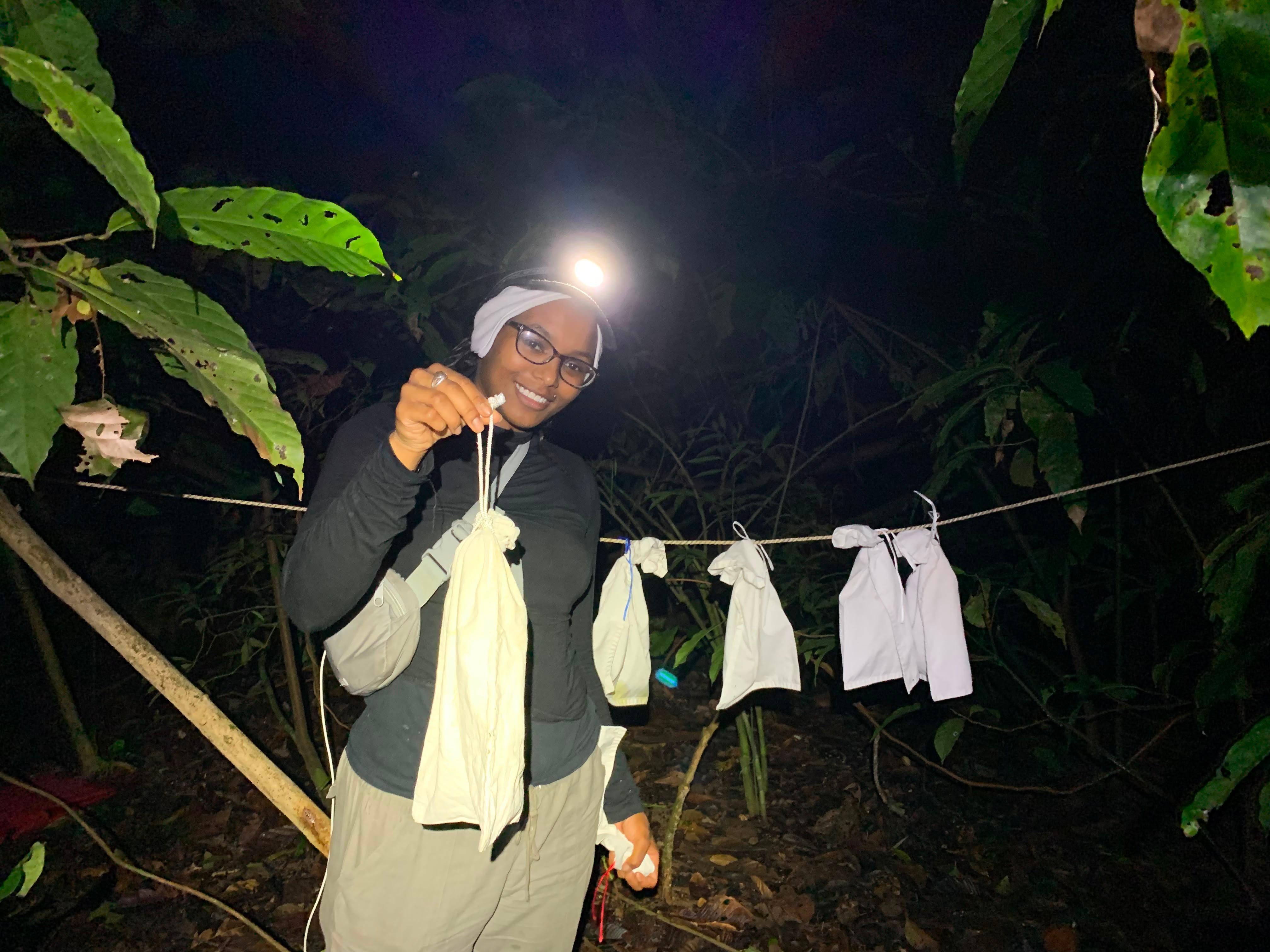
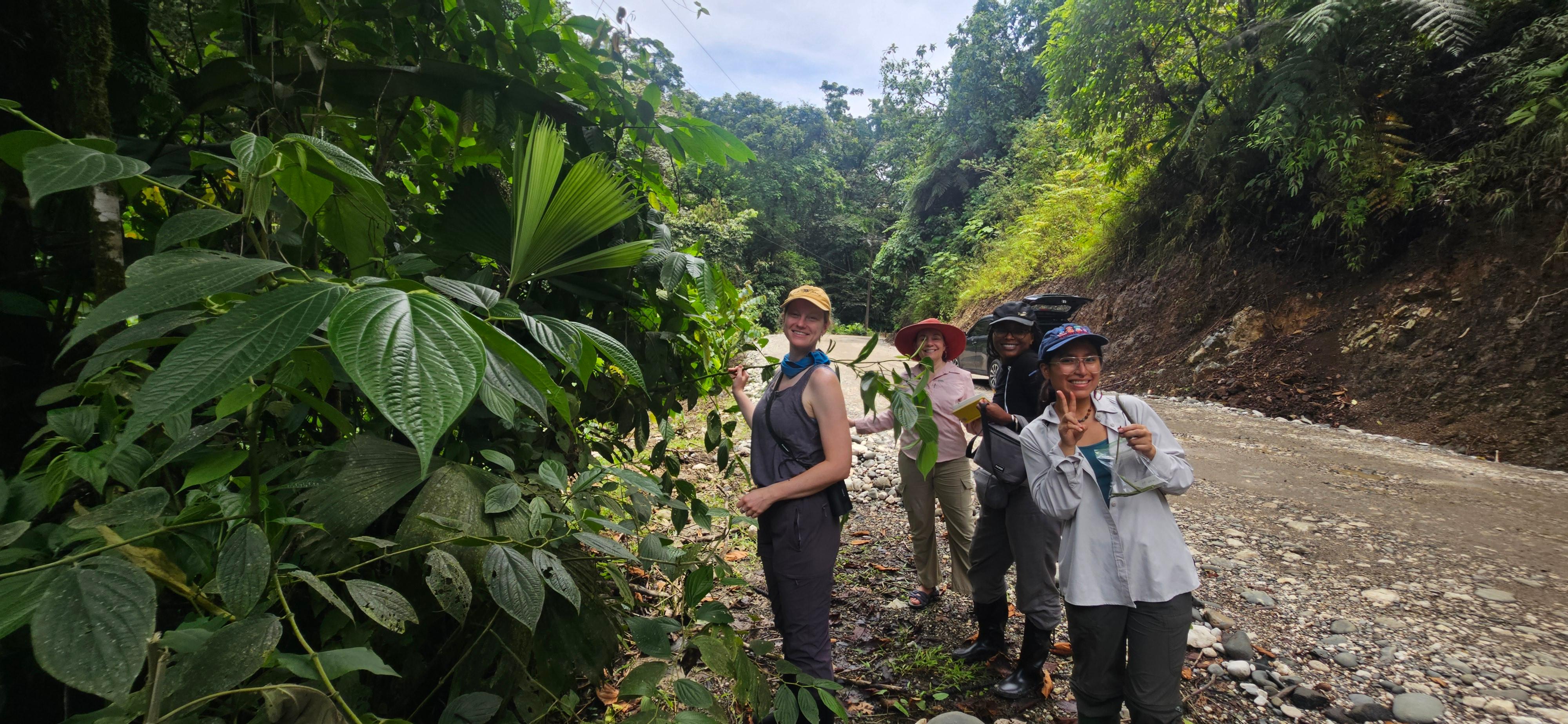
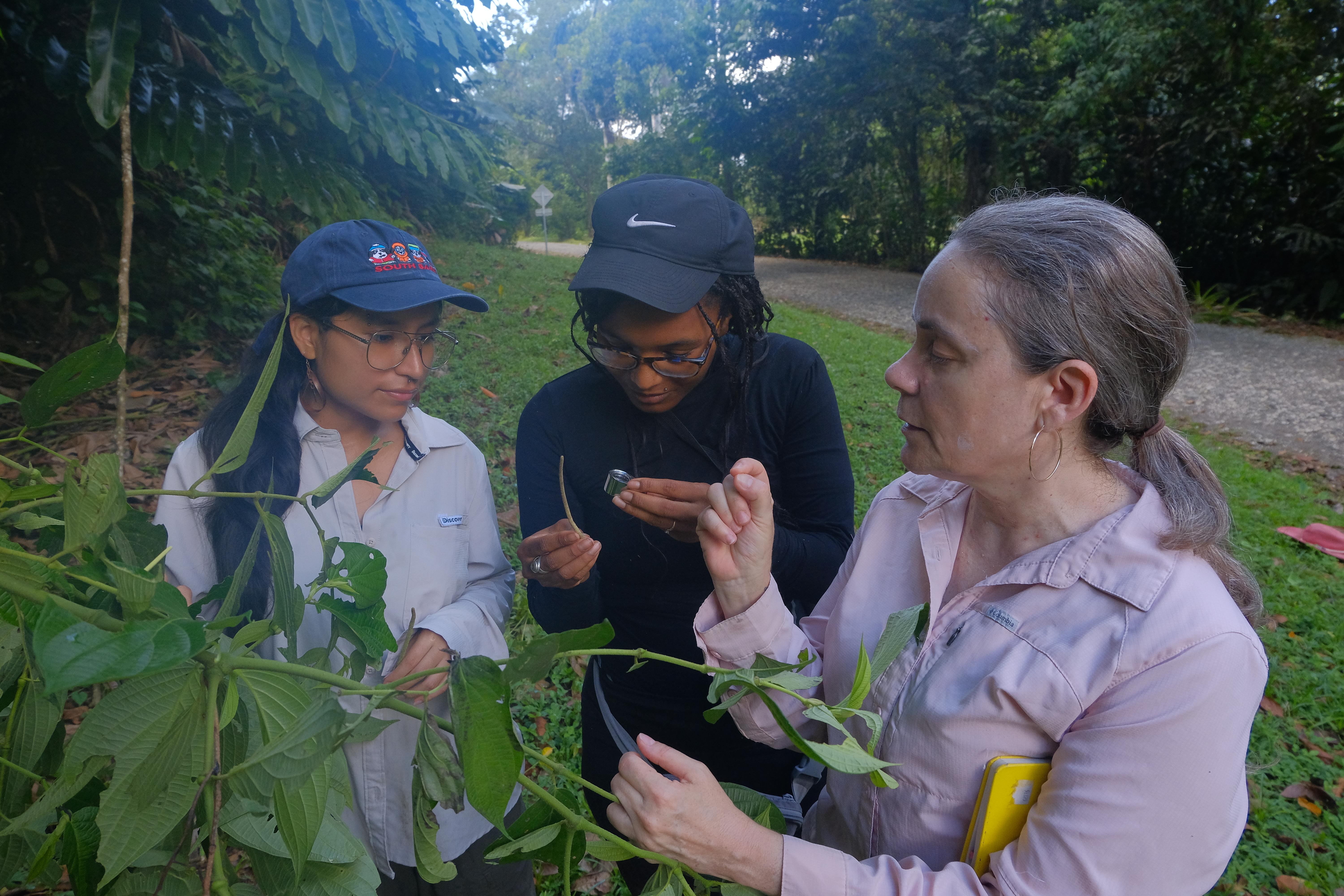
A “bat team” took over at dusk, setting fine mesh nets to safely capture bats, feeding them fruit and waiting. In an earlier phase, the team needed to know exactly how long digestion took, so they mixed edible glitter into the bats’ fruit and waited for it to reappear. It did — in 18 to 21 minutes — leaving the droppings with an unmistakable pink sparkle. Chaverri appreciated the quick timeline.
“They’re really fast poopers.”
The trip was also a cultural exchange. The Bowie State group and their Costa Rican counterparts didn’t speak the same language, but the team of eight grew close anyway, trading translations, sharing food and cultural experiences, including a few free days traipsing to see the Costa Rican waterfalls and beaches.
For the Bulldogs, it meant full immersion: capturing bats after dark, spotting monkeys, birds and a snake on the trail, and partaking in a rhythm of life far from suburban Maryland. Alison Fowler, a postdoctoral researcher on Chaverri’s team, said it was a fantastic experience.
“We had an amazing time exploring the biodiversity of Costa Rica, and I also developed new skills for conducting international field work and working with a diverse research team.”
Fowler added that experiences like this can shape a career.
“Doing field work like this in such a different place can be life-changing, especially for young scientists. It has inspired me to continue doing this kind of research and get more students out into the field.”
For Sidney-Marie Whitfield ’ 27, the only undergraduate on the team, it was her first trip outside the U.S., and one that reshaped how she sees science itself.
“There are so many different parts of science, and students do not always get the opportunity to see how they connect. Through my experiences with wet-lab research, biotechnology, data analysis and now fieldwork, I have been able to see a much fuller picture of the scientific process.”
Chaverri says that growth was the point.
“From asking the hard questions, to a unique experiment idea, to being brave enough to step out of your comfort zone and try something new, it’s all Bowie Bold and what we do every day.”
The seedlings remain in a Costa Rican greenhouse for the next year. Many plants and seeds, it turns out, can’t be transported across borders any more easily than the bats that inspired the question.
Stay tuned: Bowie State’s innovative research is only getting started. For now, the research continues in Costa Rica — one seed, one bat and one question at a time.