
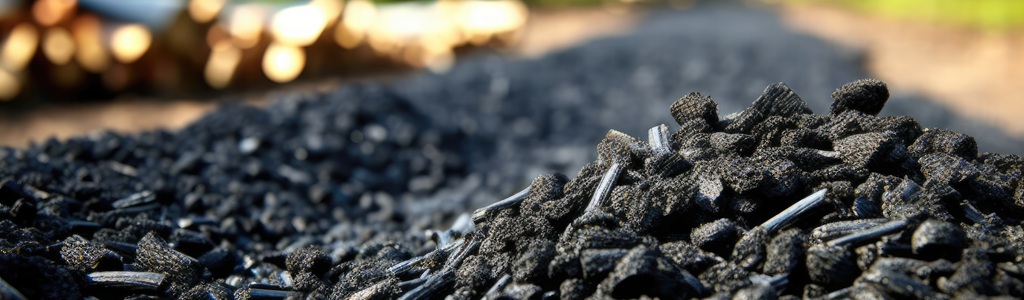
Biochar
Global Research Experiences
Potential of Charged Biochar in Enhancing Sustainable Production of Black Nightshade (Solanum nigrum)
- Mentor Professor: Joseph Mafura, PhD
Biochar and bio-oil are products of pyrolysis and are actively being investigated as sustainable inputs for soil and crop improvement. Through pyrolysis, the heating of biomass in low-oxygen environments these materials serve as a waste to wealth strategy, converting agricultural, forestry, and municipal residues into value-added products that aid in carbon sequestration and environmental remediation. Biochar improves soil cation exchange capacityand reduces leaching. It also improves the water holding capacity of the soil and enhances microbial activity in the soil. Additionally, biochar is alkaline which helps in neutralizing acidic soils.
Black nightshade (Solanum nigrum) is a valuable, nutrient-dense leafy green and medicinal herb in many cultures, packed with iron, protein, and vitamins. It is widely used to treat stomach issues, inflammation, and skin conditions, while also serving as a crucial, low-cost income source for smallholder farmers. As a heavy feeder, it requires high soil fertility, but many farmers do not apply adequate fertilizer, often mistakenly believing it can grow anywhere. Consequently, this has made the vegetable to have low yield. Therefore, there's need to come up with cheap, environmental friendly and sustainable soil enhancers like biochar to increase black nightshade yield.
Broad Objective
To contribute to increased and sustainable production of black nightshade by utilization of charged biochar
Specific Objectives
Student One
- Determine the effect of charged biochar on the rhizosphere and root endosphere micro-biome
- Determine the effect of charged biochar on growth and yield of black nightshade
Activities
- Collection of soil samples from the root zone
- Isolation of endophytes from the roots
- Measurement of growth parameters (root structure and length, NDVI, stem length / girth, number of branches, fresh/ dry biomass)
- Molecular identification of the rhizosphere and endophytes (ICIPE/ ILRI)
Student Two
- To evaluate the effect of charged biochar on disease severity of major diseases in black nightshade
- To determine the effect of charged biochar on the nutrient quality of black nightshade
Activities
- Identification of diseases based on symptoms in the field
- Scoring of disease severity
- Isolation of pathogens
- Proximate analysis, mineral content, vitamins, phytochemicals, and antinutrient levels (Egerton and ILRI)
- Molecular identification of pathogens (ICIPE/ ILRI)